


Attachment Therapy for Adults and/or Children

Attachment refers to an emotional bond that we form with others, whether it’s with a parent/caregiver, family members, friends, romantic partners, colleagues, etc. Our experiences with others shape our attachment style, influencing how we connect with others in the different settings of our lives, as well as how it affects the health of our brains. Our attachment journey begins in our infancy. Our attachment with parents, or other caregivers, plays a crucial role in shaping emotional security and can affect the relationships we have with others throughout our lives.
When attachment needs are not fully met, attachment issues may develop, leading to challenges such as fear of abandonment, difficulty trusting others, emotional regulation, or feeling emotionally distant in relationships. In fact, research has shown a strong link between attachment, depression, and anxiety.
Healing your attachment wounds is possible! Continue reading to learn how therapists at Lighthouse Counseling Services can navigate you to having healthy attachments with others.
Attachment styles describe how we connect and relate to others, particularly in close relationships. There are four main attachment styles: Secure, Avoidant, Ambivalent, and Disorganized.

Secure Attachment
When a person feels safe turning to another for support, knowing they will be seen, heard, and comforted, they develop a secure attachment that fosters trust and emotional connection in the relationship. This is the healthiest type of attachment

Avoidant Attachment
This style develops when a person repeatedly experiences emotional unavailability or a lack of soothing from others. Therefore, they learn to rely on themselves and may struggle with emotional closeness.

Ambivalent Attachment
When there is inconsistency —whether in the form of responsiveness or neglect—it creates uncertainty. The person may feel unsure whether their needs will be acknowledged, which can lead to anxiety in relationships.
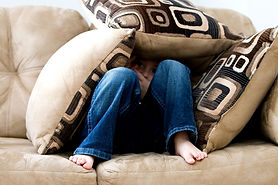
Disorganized Attachment
This attachment style combines elements of the other three but is also marked by fear. Connection may be desired but they also feel afraid of the very person they turn to for support, often due to trauma or unpredictability.
You may have heard of Reactive Attachment. This is not an attachment style in that there is no consistent figure to attach to; therefore, no attachment is present.
Healing your attachment wounds is possible. You deserve relationships that feel safe, secure, and nurturing with others as well as yourself.
A therapist can be a compassionate guide on your journey toward healing by helping you to identify and understand your attachment wounds. With this knowledge, you can then learn to develop healthier ways of connecting with others.
At Lighthouse Counseling Services, we support children, teenagers, parents, couples, and individuals who struggle with feeling secure in their relationships. Whether you're navigating challenges in family dynamics, parent-child connections, or personal relationships, we are here to help you build stronger, healthier bonds rooted in trust and emotional security. We use a neuroscience-based approach to support brain health and promote lasting emotional well-being.
If any of the above sounds like something you want to know more about or would like help working through, please fill out the Google form below concerning your attachment style, and we will reach out to you to schedule a FREE CONSULTATION to discuss the results.

How our therapists can support your healing process:
1. Rebuilding Trust & Emotional Safety
If past experiences have led to attachment issues, our therapists provide a secure, nonjudgmental relationship and setting where you can learn about having healthy connections and how to feel safe in relationships again.
2. Learning Emotional Regulation & Communication
Your therapist can help you develop tools to manage overwhelming emotions, set healthy boundaries, and communicate your needs more effectively in relationships.
3. Processing Past Experiences
Through attachment therapy, you'll have a safe space to process past negative relationships with others, whether it was a parent, a friend, someone in the community, a colleague, or a superior at work. Through that processing, you will see how they shaped your ability to trust, connect, and feel secure and learn how ot move past the feelings that hinder your ability to have a secure attachment with others.
4. Identify Your Attachment Style
A therapist can help you explore your attachment style- secure, anxious, avoidant, or disorganized- and how it impacts your relationships. Understanding these patterns is the first step in making meaningful changes. (see above for more information on each of these styles)
5. Creating New, Secure Relationships
Healing your attachment wounds means learning to cultivate deeper, more fulfilling relationships. Your therapist will support you in developing secure, trusting bonds with others, whether in romantic relationships, friendships, or family connections.
Healing attachment is not always an easy journey, but with the right support, you can create relationships that bring security, connection, and a sense of belonging.
Allow us to help you move toward deeper, more fulfilling attachment relationships with those you long to be close with, even yourself.
Heal from attachment wounds and build secure relationships. Our Utah therapists help children, adolescents, adults, and families reconnect and grow.
See below for a therapist who can help ⬇️